FIRST HOME YOGA
  • Home
  • About
    • Become a Patron
  • Schedule
    • Sign Up >
      • Repurchase Classes
    • CLASS DESCRIPTIONS
    • Virtual Yoga Preparation Ideas
    • Waiver and Terms of Agreement
  • Contact
  • Yoga Videos
    • Hatha & Vinyasa Yoga
    • Chair Yoga
    • Yin Yoga
    • Restorative Yoga (& Nidra)
    • Short Yoga Classes
    • Meditation
    • Breath
    • Waiver and Terms of Agreement
  • Testimonials

Relax .... Wherever You Are

Yoga Off the Mat Part 2 - The Psychology of Yoga

3/9/2026

0 Comments

 
Picture
Most people think of yoga as something that happens on a mat — stretching, breathing, perhaps finding a moment of calm in an otherwise busy life.

But the physical practice was never intended to stand alone. In the classical teachings of the Yoga Sutras of Patanjali, the physical postures are only one small part of a much larger project: the cultivation of a mature and balanced human being.

In the first part of this exploration of yoga off the mat, we looked at the Yamas — the behavioral restraints that help us recognize and limit the destructive tendencies within human nature. These practices encourage us to restrain impulses that undermine cooperation, trust, and peaceful coexistence.

But restraint alone is not enough.

If the Yamas address what we should avoid, the Niyamas describe what we should actively cultivate. They are the personal observances that strengthen the constructive side of our nature — qualities that encourage clarity, resilience, gratitude, and humility.

Together, the Yamas and Niyamas form the psychological foundation of yoga.

The Five Niyamas
(Practices of Psychological Cultivation)

1. Purity (Saucha)

Clear thinking and clear perception are becoming increasingly rare. Our mental environment is often polluted by two-dimensional influencers, media hype, AI distortions, and the constant frenzy of social media. As a result, our mental hygiene is under pressure and, for many people, increasingly fragile.

Just as the body needs exercise, clean air, nourishing food, and pure water, the mind also requires healthy inputs—ideas that inspire, perspectives that challenge us, and quiet space for reflection through meditation and contemplation.

Managing what enters your psychological world is now essential. Discernment about what you consume mentally helps nourish clarity and reduces distortion in how you perceive reality.

Practice: Read books that inspire you. Watch videos that teach useful skills. Sleep well. Stop scrolling endlessly.


2. Contentment (Santosha)

Consumption is often presented as the pathway to happiness. Satisfying every whim has become a way of life for many, and online shopping constantly feeds the appetite for instant gratification.

Yet the more we accumulate, the less satisfied we often feel. Possessions rarely extinguish the inner urge to want more.

The feeling of sufficiency already exists within each of us. It is like a quiet mountain lake—often overlooked, yet always present. Nothing needs to be added to it. When we simply sit beside it and appreciate what already exists, the restless drive to acquire begins to soften.

Suddenly, nothing more is needed.

Practice: Reflect on what you already have—people, experiences, and moments that nourish your life. Pause and quietly say thank you.


3. Discipline / Heat (Tapas)

Some commentators suggest that as digital life has expanded, tolerance for discomfort and challenge has decreased. Whether or not that claim is universally true, one thing remains clear: growth requires effort, and effort often involves discomfort.

Self-discipline means being willing to endure that discomfort. It is the price we pay for improvement.

Developing the capacity to stay present with difficulty builds psychological resilience—an ability long emphasized by stoic philosophy and many contemplative traditions.

Practice: Take a cold shower. Exercise when you don’t feel like it. Have the difficult but necessary conversation. Do the dishes. Clean your room. Small acts of discipline strengthen resilience.


4. Self-Study (Svadhyaya)

Have you ever had someone describe you in a way that shocked you?

Years ago, a girlfriend once told me that a psychic had described me as “untrustworthy.” I was deeply disturbed by the comment and rejected it outright.

Decades later, after much reflection, I came to a similar conclusion myself.

Rather than retreat from the discovery, it inspired me to look more honestly at my choices and the ways I might become more accountable.

Letting go of the idea that we are always the hero of our own story opens the door to genuine self-understanding. The image we present to the world—especially on social media—is rarely the whole picture.

Everyone carries a shadow. Acknowledging it rather than denying it can be deeply liberating.

Truth, when faced honestly, does indeed set us free.

Practice: Journaling, exploring alternative perspectives, therapy, and honest introspection.


5. Surrender to What Is (Ishvara Pranidhana)

Traditionally this observance is translated as “surrender to a higher reality.” Here, I prefer to interpret it more simply as surrendering to what is.

This shifts the focus away from metaphysics and toward psychological acceptance.

Accepting reality does not mean giving up or becoming passive. Instead, it means letting go of the stories, distortions, and emotional dramas we construct around events.

Psychologically, this allows us to come to terms with situations more quickly—even painful ones.

When events are positive, the same attitude prevents us from becoming overly attached to pride or personal ownership. We remain grounded rather than inflating the illusion that we are entirely in control.

In short, we stop using events to reinforce the fantasy that life must unfold according to our personal script.

Practice: Go into an event with the goal to remain present rather than get an outcome. After the event ask yourself these 3 questions: 1. What actually happened? 2. What did I imagine? 3. Did I abandon myself anywhere?

In summary:

The Yamas help reduce destructive tendencies.
The Niyamas help cultivate constructive ones.

They are not rigid rules or moral commandments. Instead, they function more like observations about human behavior — simple practices that gradually shape how we relate to ourselves and to others.

Seen through a modern psychological lens, they encourage the development of:
  • Emotional regulation
  • Impulse control
  • Authenticity
  • Gratitude
  • Self-awareness
  • Acceptance

Not surprisingly, many of these same qualities appear in contemporary approaches such as cognitive behavioral therapy, acceptance-based therapies, and positive psychology.

Yet there is an uncomfortable truth here.

Many people are drawn to yoga for its flexibility, fitness, or aesthetic appeal. But the original teachings suggest that the real practice was never about touching your toes. It was about transforming the way we live, think, and relate to the world around us.

The mat, in that sense, is only the rehearsal.

The real practice begins when we step off it.
​
And perhaps the most important question is not whether these principles exist, but something far more personal:
Which of them do you naturally embody — and which do you tend to avoid?
Because that is usually where the next stage of growth is waiting.

0 Comments

What Does Yoga Off the Mat Look Like? Part 1.

2/25/2026

0 Comments

 
Picture
The Yamas: Ancient Restraints for a Modern Ego

​I dedicate this article to a friend of mine, Pat,  who is currently exploring the sutras.

It could be argued that the origins of yoga were not physical but psychological — disciplines designed to cultivate restraint, focus, and ultimately a life less driven by ego.

Yoga was a system for transforming how we think and therefore how we behave.
At the root of many of our reactive patterns is a deep drive to be loved and accepted. Our unrestrained, ego-driven actions are often attempts to prove our worth — a worthiness that feels buried and uncertain. (For a deeper exploration of this idea, see Freedom: The End of the Human Condition by Jeremy Griffith.)
According to Yoga Sutras of Patanjali, compiled between 200 BCE and 500 CE, there are five restraints (yamas) to regulate our impulses and five observances (niyamas) to actively cultivate.
In modern psychological language, we might call this system self-regulation paired with mindful awareness.
Below are the five restraints — and how I practice them in the 21st century.

1. Non-Violence (Ahimsa)

Emotional warning signs: impatience, anger, frustration, snappiness, guilt, withdrawal.
Despite how dramatic the word violence sounds, it exists on a spectrum — from subtle self-criticism and sarcasm, to self-sabotage and self-abandonment, to physical harm toward self or others.
Most violence begins internally.
Breath patternThe breath often becomes shallow, fast, or held. The exhale shortens. The jaw tightens. The body prepares to defend or attack.
Common thoughts
  • “This shouldn’t be happening.”
  • “They’re wrong.”
  • “I’m such an idiot.”
  • “How dare you!.”
Violence is usually a nervous system reaction before it is a moral failure.
Practice: I slow down deliberately. I lengthen the exhale. I name what’s happening. I widen perspective through self-talk. Sometimes I use Emotional Freedom Techniques (EFT) to affirm: I am safe in this moment.
Non-violence is less about suppressing anger and more about interrupting escalation.

2. Truthfulness (Satya)

Emotional warning signs: shame, guilt, defensiveness, fantasy, denial, unworthiness.
It’s easy to see when a five-year-old distorts reality to avoid punishment. They cling to a narrative because the narrative protects their fragile sense of self.
Adults do the same — just more subtly.
Distorting reality protects reputation and identity. Seeing things clearly can feel destabilizing. It may puncture our self-image. Sometimes reality feels so deflating that fantasy and denial are preferable.
Breath patternThe breath may become tight in the chest. Sometimes we hold it unconsciously. There can be a subtle freeze — a bracing against exposure.
Common thoughts
  • “If I admit this, I’ll lose respect.”
  • “It’s not that bad.”
  • “They don’t understand me.”
  • “I’ll deal with it later.”
But when I stay with the discomfort and tell the truth — especially to myself — something steadies.
I feel less defensive. More solid. More adult. More present.
And interestingly, people tend to trust you more when you are not subtly protecting an image.
Truthfulness is not brutal honesty — it is alignment with reality.

3. Non-Stealing (Asteya)

Emotional warning signs: laziness, jealousy, envy, competitiveness, indifference.
Like violence, stealing exists on a spectrum.
It includes obvious theft — but also taking shortcuts, cutting corners, stealing time, stealing credit, stealing energy, or looking to others to fill an internal lack.
Psychologically, it reflects blurred boundaries and scarcity thinking.
For me, stealing shows up when I want the reward without the process. When I ignore small responsibilities to get what I want faster. When I look externally to soothe an internal emptiness.
Breath patternThe breath can become quick and anticipatory — almost hungry. There may be a subtle forward-leaning energy in the body.
Common thoughts
  • “I deserve this.”
  • “No one will notice.”
  • “I need to get this before it’s gone.”
  • “They have more than me.”
Stealing erodes self-respect quietly. It builds entitlement. And entitlement is the seed of greed.
Non-stealing is about sufficiency. Doing the work. Respecting boundaries — including my own.

4. Moderation (Brahmacharya)

Emotional warning signs: lust, greed, restlessness, boredom, compulsive fantasizing, depression, victimhood.
In an age of instant gratification, excess is normalized. The message is constant: More makes you better.
More status. More attention. More stimulation. More achievement.
But chasing highs often leads to crashes. Excitement is followed by exhaustion. Elation followed by dysfunction.
Breath patternThe breath can become elevated and excited when chasing stimulation — then heavy and collapsed when depleted.
Common thoughts
  • “This will make me feel alive.”
  • “Just one more.”
  • “If I get this, I’ll finally feel okay.”
  • “Nothing is happening — I need something.”
Moderation is not repression. It is intelligent channeling of energy.
I try not to attach too tightly to the highs so that the lows don’t drag me into despair. Steady energy builds resilience. Extremes destabilize it.

5. Non-Grasping (Aparigraha)

​
Emotional warning signs: neediness, clutching, grandiosity, insecurity, boredom.
Hoarding is not just about objects.
We hoard status. Identity. Relationships. Knowledge. Even suffering.
We accumulate to patch a sense that something is missing.
I once repeated a mantra daily: Being free means having nothing, knowing nothing, being no one. It’s extreme — even confronting — but it exposes how tightly we identify with what we possess or perform.
Breath patternGrasping often shows up as holding the breath — a subtle clench. The body contracts. The diaphragm tightens.
Common thoughts
  • “I can’t lose this.”
  • “I need more.”
  • “If I let go, I’ll disappear.”
  • “Without this, who am I?”
Non-grasping is not indifference. It is loosening the fist.
When the breath softens and lengthens, the grip often does too.

The yamas are not moral commandments. They are psychological diagnostics.
They help us notice when ego is driving from fear rather than groundedness. And they offer a simple intervention point: awareness of breath, awareness of thought, and the choice not to escalate.

(This piece was edited with the help of AI)
​
Next week: Part 2 — The Observances (Cultivating Awareness - Niyamas).

0 Comments

Why do Men Avoid Yoga? 5 Reasons You Should Start!

12/29/2025

2 Comments

 
Picture
Several years ago I observed how few men attended yoga classes - at least in the circles I keep.

I wrote an article about it and have modified it below. I hope you read and appreciate it. Furthermore can you share it with a male friend?

​Driving to teach yoga one early  Fathers' Day morning I was thinking of my father (pictured opposite). He had been a sailor in the Royal Australian Navy. He died young -  61. Dad took great care of his family but did not know how to take care of himself. 
Is this true for men in general?


Fast forward to 2026 and I attend many yoga classes every week in my recent Brisbane area home. While dozens of women attend the classes only a handful of men are present. It is a mystery.

In the beginning yoga was patriarchal.


The origins of yoga are controversial.  Some say it was birthed from early rituals over 5000 years ago. Others claim it was more like one to two thousand years ago; patriarchal and boring.

Men sitting in caves or the forest for long hours every day, year after year. That was it. All the poses (asanas) were sitting poses, to develop sitting stamina for meditation. The focus of attention for the yogis was the breath. In and out, twenty thousand times per day. Apart from ascetics and monks few were  interested in this tedious affair.


*Fast forward to the nineteenth century and Madam Blavatski brought Yoga to the west and to women.  Yoga was hardly known outside of India. It was all but dead. It needed beefing up if it was to survive. Deep in the heart of India yoga exercises were added to a boy’s Physical Education curriculum. This morphing of exercises came from Western Gymnastics and Indian wrestling to become the new yoga. Hatha Yoga was reborn.

Yoga went viral over the next few decades.


Many powerful women teachers emerged in the 1970’s. Yoga became popular with women. It became synonymous with flexibility and the ideal workout for females. Men disappeared from the yoga mats into the gyms to cultivate strength, muscle definition becoming chiseled caricatures who walk around stiff and buffed.
 
Medical studies in the twenty first century verified many of the mythical benefits of yoga. Scientific studies link the elements of yoga - mind, body and breath -  to well-being, happiness, mental focus, stress management and more. I have worked in schools, colleges, with vets, lawyers, dentists, executives sharing these fruits of yoga. Even jails and the military are incorporating yoga, meditation and breathing into their routines. The impact of yoga on mental and physical health can be significant.

Who knows the changes we could see if more men embraced yoga. Perhaps it will help fathers, brothers, sons and comrades find peace and balance in their lives. Surely a salient need in these troubled times.

Here are  Five Tips for Reluctant Men who declare they cannot do yoga because they are too inflexible.
 I liken this attitude to not drinking water because you are too thirsty.

Tip 1 - Learn the art of listening to your body:   Let go of ideas such as “No pain, no gain” or “Pain is weakness leaving the body.” Approach yoga with a milder attitude and use relaxation, not force, as a way to stretch. Work in the grimace free range of motion. When you feel sensation use this as a guide line for the depth of the stretch. Too much sensation will create muscle resistance. Too little sensation is non-beneficial. Look for that Goldilocks (just right) sensation.

Tip 2 - Drop comparing: Every body is different. Some bodies are not designed to do the splits because of the shape and size of the femur bone. Women's hips are genetically designed for expansion and flexibility - men's are not. Your history (injuries, habits etc) are unique to you. You have taken decades to sculpt your body. It will take time and practice to adjust. Be patient. Whenever you come to the mat to do yoga, keep your attention on how your body feels (tip 1). Do not compare with anyone else, because no one else has your body or has lived your life. What happens on the yoga mat is between you and God. No-one else.

Tip 3 - Men designed yoga: Three thousand years ago until quite recently yoga was a patriarchal practice. It was designed by men to improve posture for meditation. The goal of yoga was to help people meditate for long periods of time without being distracted by bodily discomfort. Men crafted the art for millennia. 

Tip 4 - Yoga is more than stretching: Yoga incorporates breathing techniques (hundreds), meditation, strengthening, balance, co-ordination and range of motion. This means that some aspects of yoga will be easier for men than women. 

Tip 5 - Yoga teaches how to manage stress and seek relief from chronic pain: Two major causes of lost work productivity include stress (mental fatigue) and back pain. Our sedentary lifestyles sitting for hours at work has led physiologists to name sitting as the "new smoking.” Yoga improves back health and enhances stress management.

OK men. The ball is in your court. When are you coming back?

*(The history of yoga I have depicted above is loose at best. I apologize for any inaccuracies and suggest you read Elizabeth de Michelis’s A History of Modern Yoga (Continuum, 2004) for a fuller account.)

2 Comments

It's 2026 Already! Can I Help?

12/13/2025

0 Comments

 
I don't often market myself which probably explains my small class sizes.

While classes are small my student longevity is strong. They keep coming back for years and years, so think of my classes as good for the fews and not for the masses. 

​My students tend to be 50 or older ranging in shape from athletic to physically challenged due to injury or age. (My oldest chair yoga student passed away at the age of 104!)


This article is in two parts.

Part 1: Bragging about my virtues as a teacher and what I offer. (A leap of faith with plenty of testimonials from real non AI folks who've trained with me in the past). Click here: Testimonials

Part 2: The acknowledged benefits of the yoga styles I offer via zoom and online recordings (A general, sometimes scientifically supported scuttlebutt available on the web and elsewhere).

Warning: I've deliberately given my spiel with an Aussie twist to break the ice.
.

​Part 1- The Spiel

G’day, legends! Fancy a bit of yoga that won’t leave you feeling like a pretzel gone wrong? I teach via zoom three cracking styles—Yin, Chair, and Vinyasa—each one tailored to different crews and their unique vibes. Although I offer a mint load of other classes in my patreon library including restorative, meditation, pranayama - Pranay what? (breathing), strength conditioning, blah-blah.

Let's dive in for a brief description of my zoom classes.

Yin is your chill-out: long, juicy holds that melt stress faster than ice cream on a barbie. Perfect if life’s got you wound tighter than a kangaroo’s spring.

Chair yoga? Bloody brilliant for anyone who reckons getting down on the floor is a young person’s game—office warriors, seniors, or folks rebuilding strength. We stay seated (or close to it) and still get the good stuff: better mobility, less creakiness, zero drama.

Peaceful Warrior - the lively one—can be flowing moves synced to your breath (like vinyasa), with plenty of options (balance, strength etc), so you’re never stuck thinking “nah, that’s not for me.”

What makes my classes different you ask? I talk straight, move at a sensible pace (no rushing into hero pose like a galah), and chuck in heaps of variations—easier versions if your body’s saying “steady on,” or spicier ones if you’re keen to level up. You’ll feel looked after, not lectured.

Jump on my Patreon platform and choose your adventure: (Prices are in US dollars so don't be shocked when different numbers in your native currency pop up) .
​
$25 US/month gets you the full video library—hundreds of sessions ready whenever you are.
Go the $65/month and you score live Zoom classes too, where we can have a proper yarn in real time.

Fair dinkum, give it a burl. Your body will thank you, your mind will quieten down, and you might even crack a smile mid-downward dog. Click here for a peep at my Patreon site.

Sign up today—first week’s on me if it’s not your cuppa. Let’s get bendy, the Aussie way!


​Part 2 - The Science on the Other Side of the Myths

Benefits of Yin Yoga
Yin is the ultimate chill pill—a slow, restorative practice with long-held poses (often 3–5 minutes or more) that target deep connective tissues like ligaments, joints, and fascia.
Key benefits include:
• Deep relaxation and stress relief — Calms the nervous system, reduces anxiety, and promotes better sleep by activating the parasympathetic (“rest and digest”) response.
• Improved flexibility and joint health — Gently stretches connective tissues, increasing mobility and range of motion, especially in hips, pelvis, and spine.
• Better energy flow — Stimulates meridians (energy channels), helping release stagnant energy and emotional tension stored in the body.
• Mindfulness and emotional balance — The stillness encourages introspection, fostering greater self-awareness and calm amid a busy life.
Perfect for winding down after a hectic day or complementing more active practices.

Benefits of Chair Yoga
Chair yoga makes movement accessible without needing to get down on the floor—ideal for building strength and ease gently.
Key benefits include:
• Enhanced mobility and flexibility → Improves joint range of motion, reduces stiffness, and supports daily activities.
• Increased strength and balance → Builds core, leg, and upper body strength safely, while lowering fall risk.
• Stress reduction and better mood → Lowers blood pressure, anxiety, and inflammation through mindful breathing and gentle movement.
• Pain relief and overall well-being → Helpful for conditions like arthritis or limited mobility, boosting circulation, sleep, and feelings of relaxation.
It’s a game-changer for anyone wanting yoga’s perks with extra support.

Benefits of Peaceful Warrior and Vinyasa
Vinyasa is the flowing, breath-synced style that links movement into dynamic sequences—think energising yet mindful.
Key benefits include:
• Cardiovascular fitness and endurance — Elevates heart rate for a gentle cardio boost, improving stamina and circulation.
• Strength and muscle tone — Builds full-body power, especially in core, arms, and legs, while enhancing balance.
• Greater flexibility and mobility — Fluid transitions open hips, shoulders, and spine over time.
• Stress relief and mental clarity — Breath-movement sync promotes mindfulness, reduces stress, and boosts energy and mood.
Great for feeling invigorated and centred, with options to keep it gentle or amp it up.

Each style offers unique perks, and mixing them gives a well-rounded practice.

​Which one are you most curious to try first?
0 Comments

Yoga & Chronic Disease - My Journey

12/2/2025

0 Comments

 
Picture
In September 2023, at the age of 68, I was diagnosed with chronic and acute gallstone induced pancreatitis.

After a lifetime of few illnesses and good health I had no idea what was about to unfold. I was not prepared mentally or spiritually for the next months and years ahead.

My first weeks in hospital ( I was in hospital for 56 days) my spirits were good despite the pain, retching and weight loss. Gradually my enthusiasm waned. I lost 20 kg (40 odd pounds), became bed ridden and my doctors said my prognosis was complicated and uncertain.

For those who suffer or have suffered from pancreatitis it feels very lonely and confusing. Leaving hospital I felt unprepared and didn't know what to do, what to eat or when to go back to ER. Neither did anybody else - friends, family - even strangers who were in the same boat.

It is now two years later. I just celebrated my 70th birthday and have started daily yoga and gym classes between pancreatic flare ups. I've regained 50% of my lost muscle mass. Even though I am far from finished with my pancreatic journey I have found contentment and nourishment with the small things.

Normal is the new fantastic.

My yoga practice feels more significant than ever. It was so easy to take things for granted when I was fit and unconcerned about my health.

Yoga has become a sanctuary from the storm of uncertainty that chronic disease brings.

I sincerely hope you can benefit from my story and the offerings on my site.

Please reach out if you ever find yourself in need of someone to listen to your journey.
​
Blessings and love.

0 Comments

Why Do Live-Stream Classes via Zoom?

8/15/2024

0 Comments

 
Live-stream classes via zoom are affordable, private and convenient.

Affordable: Classes start at ten for $85 (US) with no expiry. I offer a weekly Chair yoga class for free!

Private: You are in control of your privacy. Not everyone wants to be seen in class. When you zoom you can see the instructor and turn your screen off, becoming invisible. When classes are smaller or private you can keep your screen on so I can support you with more cues. (More tips on having a smooth virtual experience)

Convenient: Doing yoga from your home doesn't get much more convenient. You can even have your pets join you if you like. If a friend is around invite them to join in. No driving to venues or checking in at the desk. It's all happening in your environment. Also it is super convenient if you are on the road and want to do yoga from your hotel room or friend's place.

Classes are recorded!
I record every class and upload it to my patreon platform. These classes are available in a huge library of cataloged videos at a small monthly fee. Check out membership options here. 
Picture
0 Comments

Join Me for a Week of Yoga to Relax and Recharge in the South of Spain

1/14/2024

0 Comments


Yoga Vacation in Spain
​Relax and Recharge in beautiful AndalusiaNext retreat: April 20-27, 2024
Contact me for more details
CONTACT ME WITH ANY QUESTIONS
spain retreat information
0 Comments

6 Tips for You to Start and Keep Up a Regular Home Practice.

6/6/2021

4 Comments

 
Picture
Since the pandemic has eased I have met many clients wanting to learn to meditate or improve their breathing.

The more serious clients  often ask me “how do I practice alone and keep it going?" 

While there is no silver bullet answer these 6 tips may swing it for you.
  1. Find your why! There are many reasons people use these subtle practices. They can be medical, mundane (less stress or better focus) or even spiritual actualization (maturity). Whatever reason you choose it has to be so compelling you are committed to stay the course.
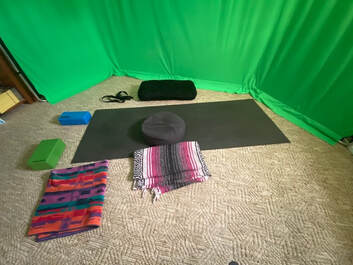
  2. Choose a location where you can practice undisturbed - a sacred space. Add a ritual if you like (eg. light a candle, burn incense, say a prayer, record your vitals ...).
  3. Choose a time of day where you feel alert and rested - dawn is a traditional time, and the one I choose, for many reasons. Choose wisely.
  4. Practice everyday for 3 months for 4 minutes. Never miss a single day, no matter how you feel. This step is essential for success. Creating a routine that is attainable is the single biggest factor for behavioral change and consistency. Overcommitting your time in the beginning is a sure fired way to give up after two weeks - even if the app is awesome.
  5. Use a variety of meditation styles or breathing techniques (guided practices can help you here). Find the ones that work better for you. Stop any technique that invites trauma. Either look for some alternative technique, ask a professional teacher or seek appropriate therapy. Success comes after many failures. Variety is key.
  6. Keep a log of your practices. Reflect on what the practice is bringing to you. No rose colored glasses, be true to your experience. This may lead to exploring with others which can be a powerful enlightening process.
Once you get 3 months under your belt you are ready to extend the length of your practice and look for for more advanced techniques if you wish.

Meditation and breathing practices are only effective if practiced consistently over time.
Good luck and let me know if you have any questions or comments.

​I would love to hear from you.
Regards
Laurie

Become a Patron!

Become a patron of First Home Yoga

4 Comments

Whatever you do - Practice!

11/8/2020

2 Comments

 
Picture
Recently a new client said to me these last eight months of covid have been devastating to her mental and physical health. She desperately wants to turn the momentum around and never let herself slump into this state ever again.
She had a fire in her eyes and I knew her intention was strong. After our session together she had a plan and felt confident she would succeed. She looked ten years younger than at the beginning of the class. 
What is it about yoga, meditation and breath work that inspire this change even in the midst of tough life conditions? 
How can one start to make positive lifestyle changes and follow through with confidence?
Can these practices really make you happier? More contented?

Reading this blog will not change your life. But practicing yoga, meditation and breath work consistently over time will. I guarantee it.

After doing regular meditation, yoga and Breathwork practice in different configurations over the last 35 years I have never appreciated its value like I do in these turbulent times.

Looking up social media, hearing the news and even speaking with friends is like putting your mind and emotions into a blender. Society and history are swirling like a hurricane of unprecedented events. Abiding in that swirl can be a frightening, depressing and maddening experience whatever your circumstances.

However at the center of even the deadliest hurricane there is an eye. The eye is still, calm and safe. It is a temporary refuge before and after the storm. Life gives us many storms to weather so finding and abiding in the eye of the hurricane is something to learn and practice if we are to weather these uncertain times.

Yoga, meditation and Breathwork practice take you to the eye of the hurricane. I cannot imagine my life without my practice. 

Some people call it an escape from reality. I call it an inscape to a more subtle reality. It nourishes, energizes and leaves me feeling happier, more contented and less influenced by external circumstances.

To me, drugs, tv, alcohol, depression, anxiety, drama, internet, Facebook, etc are the escapes we must be careful to not abuse.  They do not have a long lasting positive effects.

These  activities can deplete your energy and even feed the problem.

Next week I celebrate 500 days of continuous breath work practice. Each morning I spend between 25 - 60 minutes focusing on my breath. These 500 days have guided me into a deep contentment and stability through even the worst days of covid and political turmoil.

None of us escape the challenging turmoil of growing up and old.

​I love to share with you my insights and techniques that I am constantly honing. I want you to be  inspired to start or continue your practice - even on those days when you don’t want to.

If you design a practical doable practice and stay with it you will:
  • become steadier under pressure, 
  • sleep better, 
  • feel better, 
  • have more energy 
  • be happier.

It is predictable - what you focus on gets bigger, what you practice makes you stronger and what you do every day  changes you.

With a new potential wave of the virus and more uncertainty ahead consider the possibility of beginning a daily practice of yoga, meditation, Breathwork or a combination and see where the journey takes you.

I can help you plan, facilitate  online classes, share  videos with you and support you when you feel stuck.

Start small, stick with it and start now!
​

2 Comments

What's the Point of Yoga?

9/12/2020

0 Comments

 
Picture
A colleague of mine was recently asked by a client “what is the point of yoga?” My colleague, who is not a yoga teacher, said she did not know how to respond and asked me what would I have said?

The point of yoga depends on who is doing it and why.

Yoga has a long history, and has changed significantly over the past 150 years. Depending on who is teaching, what their training has been and the nature of the class you can get almost anything you desire these days.

​Originally Yoga was experimental in nature. It was a hands on method for you to explore social constraints, moral principles, poses, breathing and meditation. Over time people observed they achieved greater tolerance levels, increased well-being, less reactivity under pressure, ability to regain composure after being pushed sideways and more. In short - they matured.

This was glorified into more mythical ideas of becoming self-actualized or enlightened. I prefer to think of maturity as the development of clarity or being able to see things as they are with less distortion.

Results were not a quick fix. They required diligence and consistency over time. In other words you had to have a burning desire to disengage from a householder’s lifestyle and often live under extreme conditions with unwavering conviction to attain the promise of freedom.  

Yoga was a system and methodology to guide you through the process. Usually the teacher was considered a guru. Yoga was still mainly a patriarchal dominant activity.

This emphasis shifted (and continues to shift faster and faster) from the beginning of the 20th Century. In the early 1900’s yoga became more prestigious as a national “sport” for India. Yoga at this time adopted gymnastic and martial-art moves and sequences. Have you ever noticed how similar chair pose is to a squat? Or sun salutations look like burpees?

Many myths were attached to yoga’s benefits and it soon became medicalized in nature. Yoga was seen to make your body more beautiful, elegant and flexible. Meditation was to relax you and drop blood pressure levels. Breath work could basically cure any malady. This appealed to women and there was a dramatic shift as more and more women embraced yoga. Many powerful women teachers emerged in the west and still dominate the yoga landscape today, to the point it is uncommon to see a class with many men.

In the 21st century it takes on a whole new level of zaniness. Yoga features goats,  kittens, beer, nudity and just about anything you can imagine. It has become a multi-billion dollar industry selling fashion, props, vitamins, get aways designed to transform you into equanimous, beautiful and flexible beings. In my four years as a teacher I have taught aerial yoga, Boga (yoga on a stand up paddle board), Rock your Flow, Yoga sculpt, Yin Yoga, Restorative Yoga, Yoga for a healthy back, chair yoga, yoga for athletes, cardio-yoga, Yoga Nidra and more!

While many clients are looking to yoga as something that can help them manage stress, anxiety, stiffness, imbalance and mental focus the truth is, you are embracing something whose roots are calling you to reprioritize your values.

Self actualization (maturity) starts with self acceptance and self care. These concepts are not easy for the modern western mind which is trained to value worldly achievement, conquering  and constantly judging and criticizing others. 

New social mores, political unrest, new norms, new protocols, new ideas and social media gone wild make the future uncertain.  Uncertainty tends to be emotionally unsettling. Unsettled emotions tend to lead to many irrational conclusions and an existential tension. Not fun to feel in oneself or others.

Many are looking for ways to navigate stressful and anxious times. Yoga can teach simple awareness and bring a sense of sanity to your day.

To me, that puts you in the perfect place to consider yoga, meditation and breath work as tools for self-regulation and on the road to changing your priorities. 

In a word I like to think of yoga as a pause. A slowing down. An opportunity to introspect, reflect and contemplate for oneself - free of dogma. I believe the world needs a deeper thoughtfulness at this time. One way that can come is from letting go of worry and anxiety about worry and anxiety. Pausing will help you cultivate the knack of letting go.

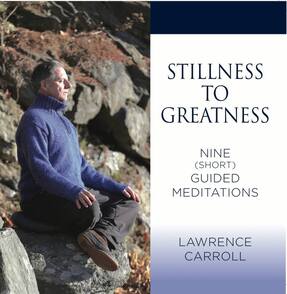
I can recommend some great reading for the history of yoga. Better still I recommend you start or continue with your own practice. I can support you with many resources (free yoga videos and my 9 short guided meditation cd / mp3) as well as live stream classes.

Contact me for further information at anytime.
​Good luck!


0 Comments

2 Misunderstandings of Meditation

8/23/2020

0 Comments

 
Picture
I receive more and more requests from clients to explore meditation as a way to help them cope in these times of overwhelming social unrest, political polarization and a once in a century pandemic.

The two most common questions people ask me are:
  • How do I quieten my mind?
  • How do I find time to meditate?
Unfortunately “how do I” questions presuppose your know what meditation is. 

I often shock people when I say, “Meditation is not about quieting your mind. A busy mind is not an obstacle to meditation! Nor is it something you can do. It is something you are already doing!”

These two statements have helped hundreds of my students and clients take their  experience and understandings of meditations to a completely new level.

Being free of these two expectations of discovering a quiet mind and somehow forcing yourself to meditate creates a wide open space to follow the three “hows” or principles I offer. The three principles below help you fall back into the part of you that is already meditating.
  • Be still
  • Relax
  • Notice what is happening in this moment
While the principles are simple I spend time describing how to be still, relaxed and aware. These terms are simple but often misunderstood because of the unconscious  habits to judge and analyze.

In a day and age where it has become harder to slow down, reflect and relax practicing meditation can help you. You do have time. you have time to watch Netflix, spend time on Facebook and drink red wine. The time is available for meditation. It's just not a priority.

Once you start to spend time on regular meditation the benefits start to reveal themselves. Scientific studies show that meditation positively impacts the parasympathetic nervous system (relaxation response), can lower blood pressure and help mental focus.

I have even designed a ten second meditation to help those convinced they cannot find time to slow down, relax and introspect.

If you’d like more experience and practice meditating you can 
  • Join me on Saturday evenings, 
  • Request a private class, 
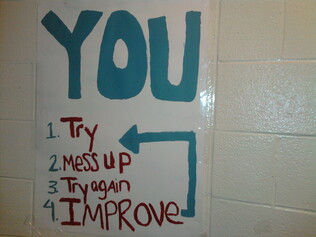
  • Download my 9 Short Guided Meditations mp3
  • Purchase my 9 Short Guided Meditations CD at class or I can send it to you.
  • Contact me with any questions.


0 Comments

The "Eff" Word

8/2/2020

1 Comment

 
Picture
​On my way to outdoor yoga this morning I was listening to a yoga podcast. The host of the show mentioned the word “effort”. He made a distinction that it is the effort in the practice that is the real reward - not the accomplishment.


This resonated with me, and hopefully with my students as I shared my thoughts with them.


As we practiced I emphasized the effort to find the sweet spot in the pose and sustain the effort without overextending or grimacing. The effort, while uncomfortable at times, opened the body and mind to receive the grace of release, let go and effortlessness.


Without effort, effortlessness and ease would be meaningless. I have discovered this retrospectively in meditation, pranayama (breathing), surfing, long distance running and cleaning the house.


The art of seeking the joy of effort in the midst of struggle is true yoga.


One of my yoga teachers would say “Give everything to your practice. What your practice gives you is none of your business.”


To read more about effort go to my blog.


Don’t forget you can try some shorter classes if you are busy. Here is my alive-stream and outdoor schedule for this week.


Be inspired.


Regards
Laurie

1 Comment

4 Surprise Benefits of Live-Streaming with Me to Boost Your Home Yoga Practice

7/3/2020

0 Comments


Why?

Picture
Picture
Yoga at home is safer, cheaper, more private and way more convenient.

As I write this article there were 54,000 new US coronavirus cases in the last 24 hours reported by Johns Hopkins University of Medicine! Despite all the recommendations and even mandates by government agencies meeting in public areas is putting tens of thousands at risk everyday. You are way safer at home from this kind of exposure. As soon as gyms and bars open the number of cases spikes.

​Many of my online students have reported they love the convenience of being able to connect in real time without the hassle of going out or leaving home. Live-stream yoga means no driving, no rushing home afterwards. You can stay in the relaxation generated by your practice and ease back into your life without the pack up and rush. You can do more and take up less time to get your yoga in.
​
Online classes are way cheaper. I work from many studios and prices  range from $10-20 per class. Online I can offer a wide range of options designed for your budget. Currently a single stand alone class is $8. A set of ten classes is $65. That's only $6.50 per class. I am starting to offer memberships to my frequent flyers which will prices down even more.  For a $25/month ($280 p.a.) you have a free weekly yoga class bringing your yoga costs down as low as $5.38 / class. On the Home Yoga Premium membership you pay  $45 / month or $500 p.a. and have all my yoga classes free for the year.

Finally your privacy! My students are reporting they love being able to do what feels like a private lesson in their own home. People who have injuries or restrictions can adjust unselfconsciously and get the full benefits of their class. This is so important to know you can fully take care of your needs without worrying about the impact on the rest of the class. 

​This is what I believe is the true spirit of  yoga! Listening to your body and practicing in a non-violent, non-competitive way.
​

How do I join your classes? 

Picture

​Click here to check my schedule. Then click the sign up button to register.
​
If you are interested in a membership contact me and I will send you the details to see if this suits you better.

0 Comments

Why It’s Important You Are Disciplined at this Time of CV-19

4/8/2020

2 Comments


Read More
2 Comments

Sitting is killing you

10/23/2019

1 Comment


Read More
1 Comment

a climate for learning: five Reasons Yoga is good for schools

3/13/2018

0 Comments


Read More
0 Comments

WORKPLACE CHALLENGE - FLEXIBLE LUNCH BREAK

6/21/2017

0 Comments


Read More
0 Comments

HOW DOES MEDITATION CHANGE YOUR SCHOOL'S ENVIRONMENT?

5/30/2017

1 Comment


Read More
1 Comment

STAYING SAFE IN YOGA

1/26/2017

5 Comments


Read More
5 Comments

98 inspiring Reasons to do chair Yoga

12/7/2016

3 Comments


Read More
3 Comments

are you struggling with meditation?

9/21/2016

1 Comment


Read More
1 Comment

Yoga off the Mat

8/28/2016

1 Comment


Read More
1 Comment

When Are the Men Coming Back to Yoga?: A FATHER'S DAY REFLECTION

6/19/2016

1 Comment


Read More
1 Comment

LIFE is a Dance OF Opposites

6/1/2016

1 Comment

 
This poem comes from Danny Arguetty's book Nourishing the Teacher.
​
To build up, dismantle first.
To expand, contract first.
To attain clarity, allow confusion.
To become civilized, first live in the wild.

The balance of all things is in their opposites;
The truth points in both directions.
Thus the clenched fist holds weakness within,
And the open hand offers the hidden power of stars..."

​
1 Comment

Three Misunderstandings About Meditation

5/22/2016

1 Comment


Read More
1 Comment
<<Previous

    Become a Patron

    Become a Patron!

      Stay Informed

    Submit
    Sign up and get free membership, access to yoga class video library, Laurie's schedule details and blogs.
    Picture

    Why Do Yoga at Home?

    Since Covid-19 my clients have discovered that doing live-stream yoga is:
        more convenient 
        cheaper 
        private
        with more variety.
     
       Try for yourself & sign up for some classes.

    Picture

    Archives

    March 2026
    February 2026
    December 2025
    August 2024
    January 2024
    June 2021
    November 2020
    September 2020
    August 2020
    July 2020
    April 2020
    October 2019
    March 2018
    June 2017
    May 2017
    January 2017
    December 2016
    September 2016
    August 2016
    June 2016
    May 2016

    RSS Feed

    View my profile on LinkedIn

    more blogs

    All

Contact me for more Information or to Join My Mailing List!


Products

 Buy your Meditation Cd here
Meditation MP3 here.

Telephone

(413) 212-2030

Contact

click here
  • Home
  • About
    • Become a Patron
  • Schedule
    • Sign Up >
      • Repurchase Classes
    • CLASS DESCRIPTIONS
    • Virtual Yoga Preparation Ideas
    • Waiver and Terms of Agreement
  • Contact
  • Yoga Videos
    • Hatha & Vinyasa Yoga
    • Chair Yoga
    • Yin Yoga
    • Restorative Yoga (& Nidra)
    • Short Yoga Classes
    • Meditation
    • Breath
    • Waiver and Terms of Agreement
  • Testimonials